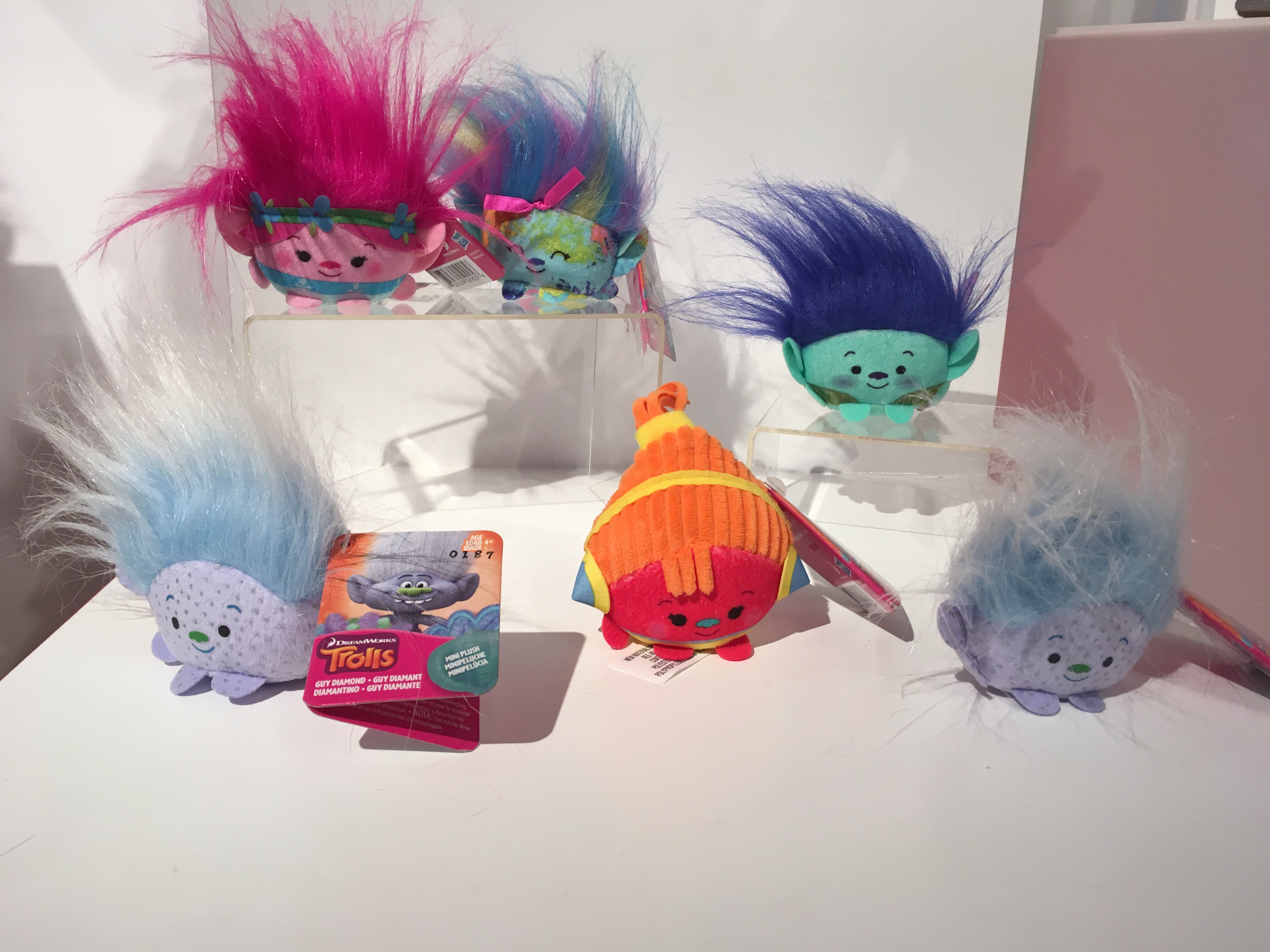
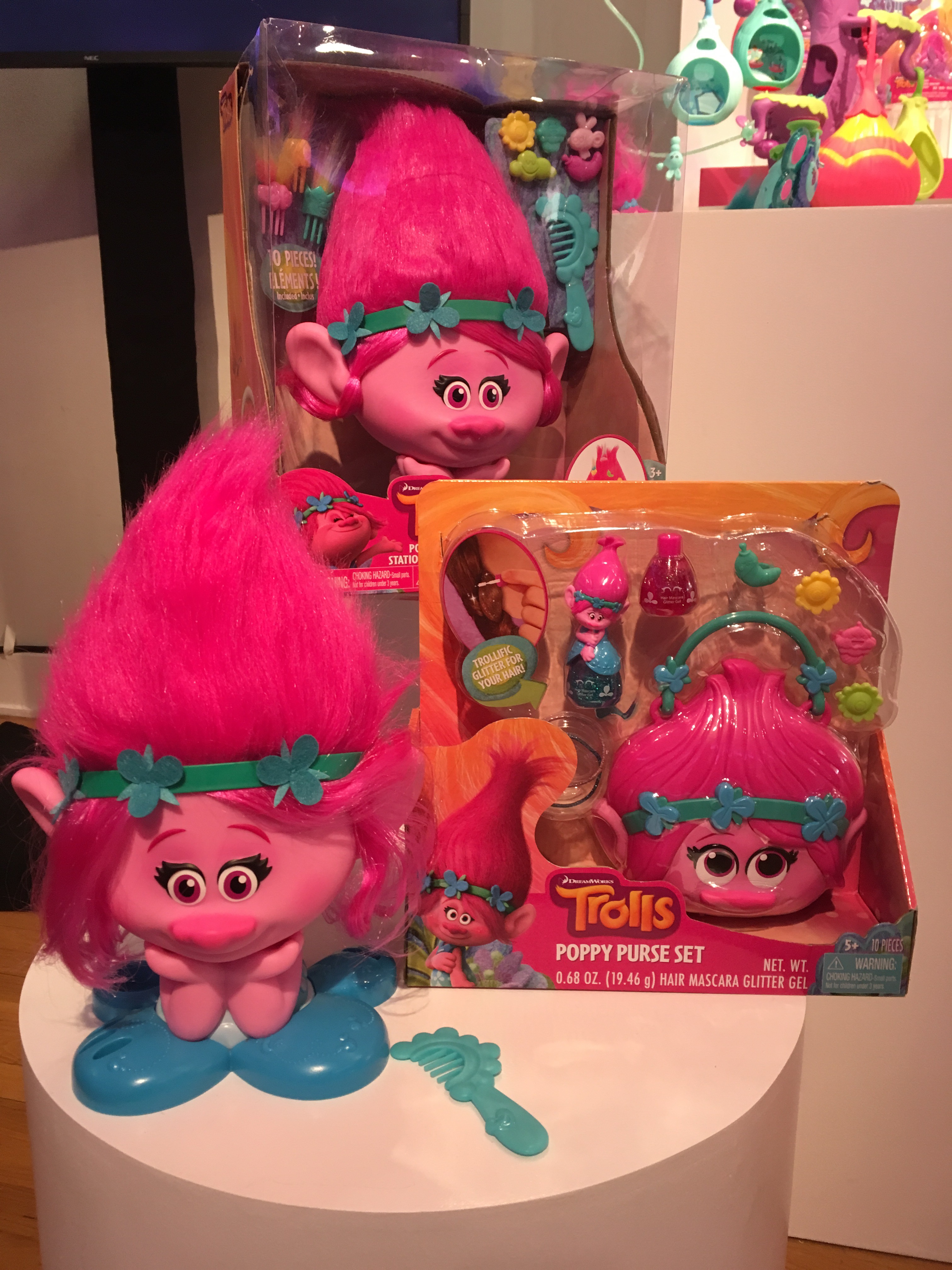
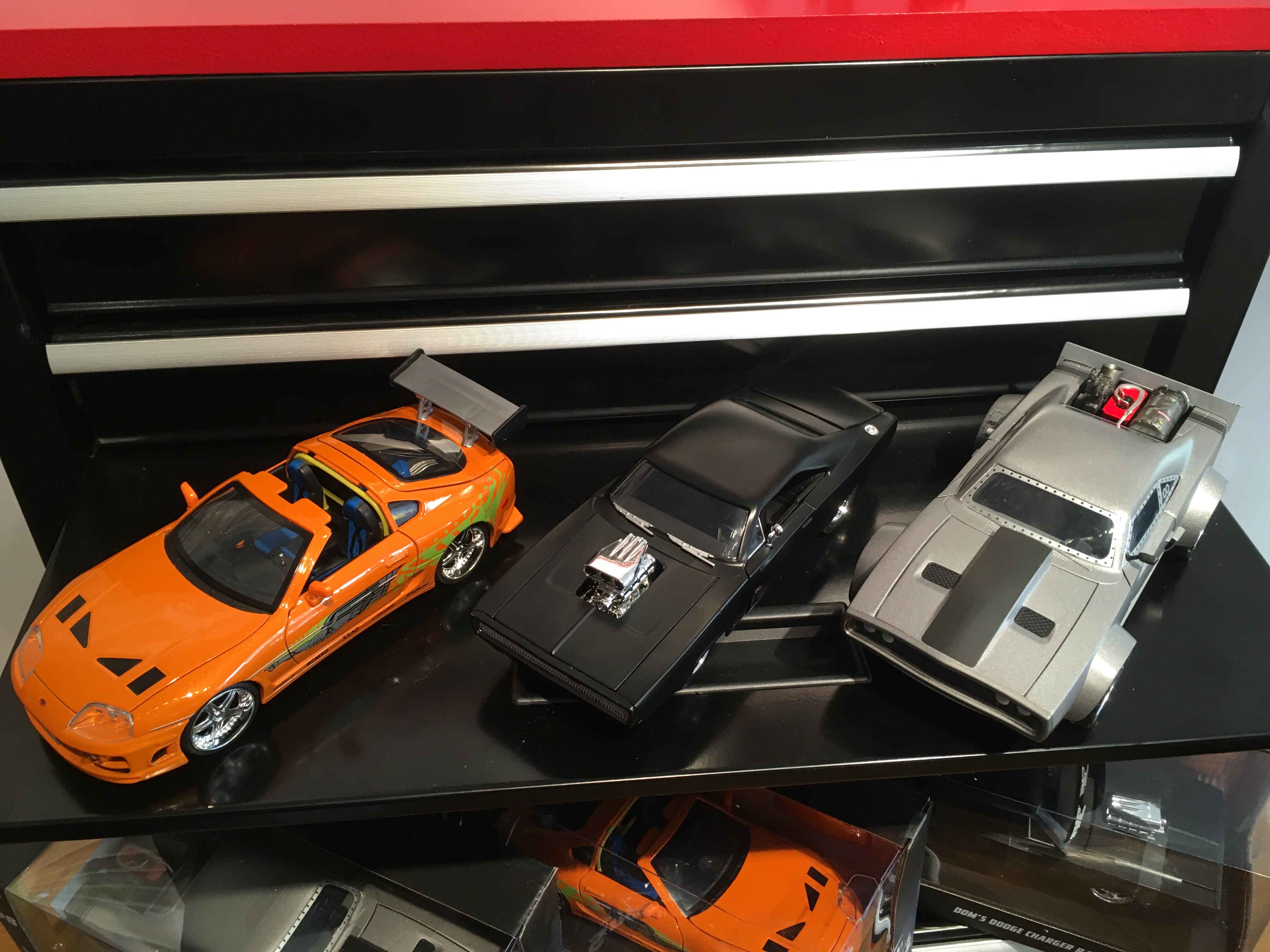
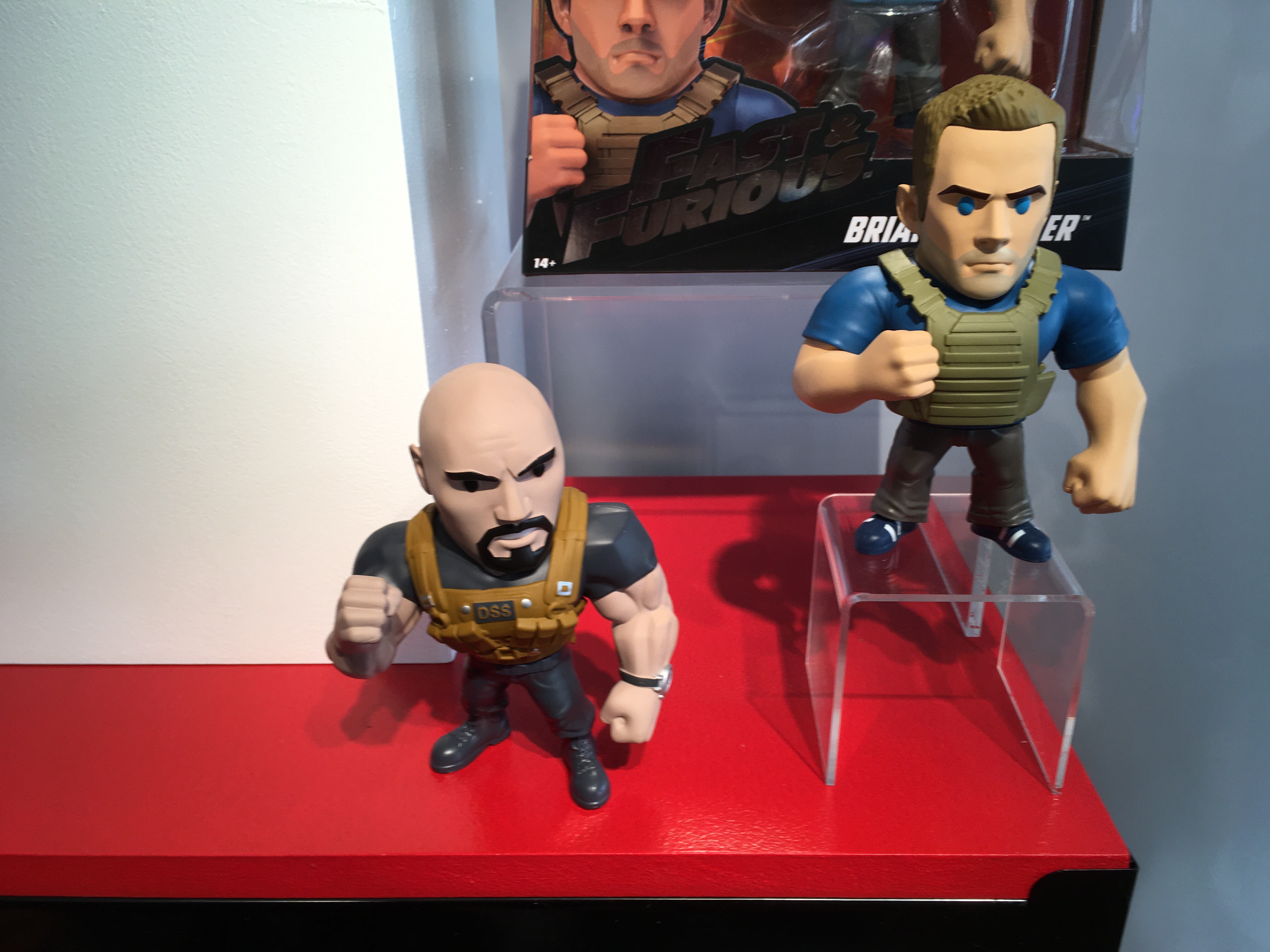
This 3rd party update to G1 combiner
SinnerTwin is now on Preorder at Bigbadtoystore
Entertainment Weekly debuted a new poster for “Agent Carter” sporting a very patriotic outfit cast in shadow.
Jimmy Palmiotti to Bring His Next
Original Project to BOOM! Studios
Jimmy Palmiotti
December 2, 2014 (Los Angeles, Calif.) – Award-winning publisher BOOM! Studios is excited to announce it will be working with longtime, respected, and widely popular comics creator Jimmy Palmiotti on a new comic series, his first-ever original title with the company. The book, co-created and co-written by Matt Brady (Warlord of Mars), will debut in March and be announced next week.
Recently, BOOM! Studios has worked on original projects with comics luminaries including George Pérez, Brian Stelfreeze, Paul Jenkins, and Mike Carey. Earlier this year in July, the publisher announced upcoming titles with J.G. Jones, Mark Waid, Frank Cho, and Grant Morrison. BOOM! continues to add to its impressive roster with the addition of Palmiotti, who has been making comics for over 25 years and is currently working on DC Comics’ top-selling series Harley Quinn with his wife, Amanda Conner, and Painkiller Jane at Marvel Comics’ Icon imprint.
“I’ve been talking on and off for the past few years with Ross and Filip about bringing something to them,” said Palmiotti, referring to BOOM! Studios’ CEO Ross Richie and President of Publishing & Marketing Filip Sablik. “Matt and I were looking for the right company to bring our creation to. We thought BOOM! was the perfect fit for the project. We’re looking forward to announcing it next week.“
“I’ve been reading Jimmy’s work for years and I’m a fan of the complex character-driven stories he tells. We’ve wanted to work with him for a long time, and I’m glad we’re finally able to do so,” said BOOM! Studios Editor-in-Chief Matt Gagnon. “We look forward to sharing information on this new series with everybody very soon!”
Jimmy Palmiotti began his career working as an inker alongside frequent collaborator Joe Quesada and eventually began writing as well, going on to work on such titles as Daredevil, Ghost Rider, Punisher, Jonah Hex, and Deadpool. He and Quesada spearheaded the creation of the Marvel Knights line, and the pair also created Ash and Painkiller Jane together for their company Event Comics, the latter of which was adapted into a TV movie for SyFy Channel. Palmiotti is currently president of PaperFilms Entertainment and is co-writing Harley Quinn and Star Spangled War Stories for DC Comics monthly.
Marvel Comics is inviting fans to revisit the classic Secret Wars stories with the Marvel Super Heroes Secret Wars: Battleworld Box Set Slipcase, as the new Secret Wars event gets ready to kick off in 2015. The box set contains 11 hardcovers, spanning the history of one of Marvel’s most famous events.
The limited box sets will be released in June 2015, and come with a full-size poster of Alex Ross’s rendition of the cover to Marvel Super Heroes Secret Wars #1!
“Our Marvel Famous Firsts: 75th Anniversary Masterworks Slipcase Set was a huge hit with fans and retailers, selling out almost instantaneously. We knew we had to follow that up with something big,” says Marvel SVP Sales & Marketing David Gabriel. “Not only do you get the entire history of Marvel Super Heroes Secret Wars along with a complete hardcover jam packed with extras and bonus material, but they are all presented in one of the most stunning packages we’ve ever produced.”

Check out the box and spine art in the images below:
Here’s the complete contents of the Marvel Super Heroes Secret Wars: Battleworld Box Set Slipcase, provided by Marvel:
MARVEL SUPER HEROES SECRET WARS: BATTLEWORLD BOX SET SLIPCASE is only available in extremely limited quantities, so don’t miss your chance to own a piece of Marvel history. This slipcase will arrive at local comic shops in June 2015 containing the following volumes:
MARVEL SUPER HEROES SECRET WARS: TO BATTLEWORLD AND BACK PREMIERE HC
334 pgs. – collecting Amazing Spider-Man (1963) #251–252, Incredible Hulk (1968) #294-295, Iron Man (1968) #181-182, Thing (1983) #10, Uncanny X-Men (1981) #180-181, Captain America (1968) #292, Avengers (1963) #242-243, Thor (1966) #341 and material from Fantastic Four (1961) #265
MARVEL SUPER HEROES SECRET WARS PREMIERE HC
328 pgs. – collecting Marvel Super Heroes Secret Wars #1-12
THING: BATTLEWORLD PREMIERE HC
328 pgs. – collecting Thing (1983) #11-22, and Fantastic Four (1963) #274 and #277
SECRET WARS II VOL. 1 PREMIERE HC
280 pgs. – collecting Secret Wars II #1-3, New Mutants (1983) #30, Captain America (1968) #308, Uncanny X-Men (1981) #196, Iron Man (1968) #197, Web of Spider-Man (1985) #6, Amazing Spider-Man (1963) #268, Fantastic Four (1961) #282 and Avengers (1963) #260.
SECRET WARS II VOL. 2 PREMIERE HC
296 pgs. – collecting Secret Wars II #4-6, Daredevil (1964) #223, Incredible Hulk (1968) #312, Alpha Flight (1983) #28, Dazzler #40, Avengers (1963) #261, Thing (1983) #30, Doctor Strange (1974) #74, Fantastic Four (1961) #285 and Cloak & Dagger (1985) #4
SECRET WARS II VOL. 3 PREMIERE HC
296 pgs. – collecting Secret Wars II #7-8, Power Pack (1984) #18, Thor (1966) #363, Power Man & Iron Fist #121, New Mutants (1983) #36-37, New Defenders #152, Amazing Spider-Man (1963) #273, Spectacular Spider-Man (1976) #111 and Uncanny X-Men (1981) #202
SECRET WARS II VOL. 4 PREMIERE HC
288 pgs. – collecting Amazing Spider-Man (1963) #274, Avengers (1963) #265-266, Uncanny X-Men (1981) #203, and Fantastic Four (1961) #288 and#316-319
SECRET WAR PREMIERE HC
344 pgs. – collecting New Avengers: Illuminati (2007) #3, Secret War #1-5, Pulse #6-9 and Secret War: From the Files of Nick Fury
BEYOND THE SECRET WARS PREMIERE HC
352 pgs. – collecting Beyond! #1-6, Spider-Man & The Secret Wars #1-4, What IF? (1989) #4 and #114, What If? Secret Wars, and Venom/Deadpool: What If?
MARVEL SUPER HEROES SECRET WARS: BEHIND THE SCENES PREMIERE HC
360 pgs. – The secrets behind the Secret Wars! Discover everything you ever wanted to know — and more — about Marvel’s history of covert combats in this compendious collection of bonus content and special features for MARVEL SUPER HEROES SECRET WARS, SECRET WARS II, SECRET WAR, BEYOND! and more! From original art to design sketches to posters to MARVEL AGE articles to OFFICIAL HANDBOOK entries to alternate and reprint covers — if this volume doesn’t have it, you don’t need it! See Mike Zeck’s original pencils for MARVEL SUPER HEROES SECRET WARS #1, and the original version of SECRET WARS II #1 by Sal Buscema! Learn about the shield-slinging, secret-swapping action-figure line that tied in with the comic! Savor a gallery of rarities from Marvel UK! And prepare to get nostalgic as we shine a spotlight on the original epic, thirty years on!
MARVEL SUPER HEROES SECRET WARS ALEX ROSS POSTER
Hardcover: 3,568 pages
Language: English
ISBN: 978-0-7851-9751-5
On Sale June 2015!
MARVEL CELEBRATES 10 MILLION COMBINED FANS ON
FACEBOOK AND TWITTER!
As a Thank You, Marvel Offers Exclusive Content and Digital Giveaways
New York, NY – November 17th, 2014– Marvel is excited to announce that it now has reached over 10 million fans through Marvel’s Facebook and Twitterpages. To celebrate this massive social achievement, Marvel is offering visitors to the Marvel Facebook and Twitter pages exclusive and unlocked first-looks at upcoming Marvel projects and FREE digital comics throughout the day.
Starting at 10AM EST, with new content unlocked every hour, Marvel Facebook and Twitter fans will be the first to see exclusive content and download FREE digital comics for a very limited time* to read through the Marvel Comics App (for iPhone ®, iPad ®, iPod Touch ® & Android™ devices) and the Marvel Digital Comics Shop.
With over 10 million fans through Facebook and Twitter, we want to thank you for making yours Marvel, but that’s not all, because we’ll have even more Mighty Marvel surprises up our sleeves that Marvel Facebook and Twitter fans will only have access to! With so many ways to get your daily dose of all things Marvel, you’ll definitely want to get involved!
With all the Marvel content available throughout the day, don’t miss out! Follow Marvel on Facebook atwww.facebook.com/marvel join in the conversation on Twitter with #Marvel and be sure to stop back throughout the day.
For more on all things Marvel, please visitmarvel.com.
What a disappointment. Destiny isn’t a bad game, per say, but it doesn’t come anywhere close to living up to its original promise. At its core, Destiny is what Bungie likes to call a “shared world shooter.” It has the controls and mechanics of a first person shooter, the progression system and sandbox open worlds of a role playing game, and the online connectivity of an MMO. To set Destiny apart from the competition, Bungie promised that it would feature a sprawling, dynamic, and ever-evolving galaxy with a rich story that could make the game last as long as a decade. What I got instead was a largely formulaic game that I don’t foresee playing for more than a week or two.
One of Destiny’s biggest missteps is its story missions, which I expected to be the highlight of the game considering Bungie’s track record with the Halo series. Despite its rich lore, the story itself is extremely lackluster; unfinished even. By the end of the main campaign, I found myself just as confused about vague entities like The Darkness and The Traveler as I was when I first booted up the game, and I never quite got the sensation that a chapter of a long running series had come to a close. Instead, it felt more like someone had torn off the second half of an already incomprehensible and boring book. Like a season of Lost, Destiny answers few of the questions surrounding its world’s mystery, but at least Lost presented its story in a compelling way. Rather than taking advantage of the interactive medium that is video games to draw players into the world to make them feel like they are experiencing events unfold, the game takes to exposition through Peter Dinklage’s boring narrations as the Ghost (the player’s miniature levitating artificial intelligence robot companion) to tell its story. Playing through Destiny’s main campaign was essentially like playing through a sophisticated audio book – one with little to no character or plot development.
Even more monotonous than Destiny’s story was the mission structure, which remains exactly the same for every mission from beginning to end. Missions essentially bog down to going from point A to point B, deploying the Ghost to scan or hack an alien technology, and then either going from point B to point C and deploying the Ghost again, or, usually in the final stages of a mission, fighting off a horde of enemies while the Ghost hacks into whatever system it was deployed to. That’s about it. It was fun the first few times, but this repetitive mission structure became stagnant and stale very quickly, especially throughout the course of a dozen or two hours. The only reason I stuck with the main campaign was because it was one of the best ways to level up my Guardian, but it felt like a tedious chore for the most part. Without a doubt, Destiny’s main campaign is the worst aspect of the game.
To navigate from mission to mission, players must make use of the game’s beautifully presented galactic map, which shows accessible planets in the Solar System. Planets and missions are unlocked as players complete story missions, which further incentivizes players to complete Destiny’s boring main campaign . When a planet is selected from the galactic map, it zooms in to show a map of its sandbox game world with various map markers, each of which represent a mission. It’s only after selecting one of these markers that players will be taken to their selected planet to tackle their selected mission. Most of them are story missions, but each planet features at least one Patrol mission (which allow players to free roam a planet’s sandbox world and complete small and often tedious and boring objectives) and one Strike mission (instanced dungeons tackled with a strike team), and some planets feature high level events called Raids.
While these sandbox worlds are large in volume, I would be more thrilled if they weren’t so barren. Filling Destiny’s worlds with interactive NPCs who could tell players more about the lore and the situation of a particular planet or offer players side quests would have gone a long way into making the worlds of Destiny more compelling. These worlds do spawn enemy creatures throughout the map once in a while, but unfortunately, the enemy variety in Destiny is abysmal. Each enemy race (Fallen, Hive, Vex, and Cabal) only features a handful of creature types whose color palettes change every once in a while to indicate that they are a higher level than the ones from before. While the game does space out the introduction of each enemy race evenly, there is a long stretch of time between each introduction, and during that time, I found myself facing the same handful of enemy types over and over again. Once I did encounter a new race, it wouldn’t take long before the game showed off all the creature types of that race, and the cycle would repeat.
Despite its incomprehensible and uninteresting story, formulaic mission structure, barren game worlds, and lackluster enemy variety, the game does make some great strides when it comes to core gameplay mechanics. As you would expect from a Bungie game, gunplay is fast-paced, smooth, and satisfying. The game does only run at 30 frames per second, which may disappoint competitive players, but in my experience, that did little to detract from accurate and precise shooting. The gunplay feels even more thrilling when combined with the game’s high level of challenge. The game is not a cakewalk by any means. While it is mostly a run and gun game, players who don’t take the occasional cover or choose a strategic position from which to take out their enemies will find themselves hitting the sack often, especially because of how smart, relentless, and visceral the enemy AI is. Despite the game’s repetitive mission structure, the challenge it offers does make it satisfying to overcome each mission.
Where Destiny shines even brighter is its RPG elements. Character progression in particular is very well executed and quite addictive, making the chore of playing through story missions to level up or to obtain new items and equipment almost worthwhile. The game begins with players choosing one of three classes (Titan, Warlock, or Hunter) and customizing their race, gender, and appearance. Only the player’s class will have any major impact on gameplay; the rest are simply aesthetic choices. I was expecting character customization to be more extensive than choosing from a bunch of presets, but there are enough options to allow players to create relatively unique characters.
With each level, players will earn new skills that are unique to their subclass. Each one of the game’s three classes features two subclasses: one which is readily available from the beginning and another that unlocks at level 15. Since each subclass can equip any kind of weapon, choosing a subclass is less about filling the shoes of a pre-defined role and more about finding something that matches your playstyle. The Titan’s Striker subclass is suited players who like to run-and-gun and get up close and personal, while the Defender subclass is suited for players who like to play defensively. The Warlock’s Voidwalker subclass is suited for players who like high offense and crowd control at the sacrifice of defense, while the Sunsinger subclass are like clerics in MMORPGs: geared more towards those who prefer a support-based playstyle. Finally, the Hunter’s Gunslinger subclass are for marksmen who are all about precision shooting, while the Bladedancer subclass are for those who like to use stealth and close quarters combat to outdo their enemies. But at the end of the day, players can take advantage of each subclass’s skills any way they please, use them with any combination of weapons, and develop a style of their own. The best part is that players can switch between active skills and on the fly to mix and match ones that better suit their playstyle for certain situations. The game even allows players to switch between subclasses on the fly, which is almost unheard of. Destiny truly does offer one of the most flexible character progression systems out there.
Leveling also influences what weapons and armors players can equip, since equipment in Destiny are only capped by the player’s level. Destiny does not feature any attributes which players can add points to after leveling like in other RPGs or MMORPGs. Instead, most of a Guardian’s power and stats are directly influenced by their equipment’s stats, so it’s vital that players obtain up-to-level equipment as soon as they can. Since equipment has such a large influence in Destiny’s character progression, finding new ones always feels like Christmas, especially since most of them look pretty cool, especially towards the higher levels. The satisfaction that comes from equipping Guardians with new gear and watching and feeling them grow more powerful, paired with the game’s flexible character progression, was one of the main reasons I kept coming back to Destiny despite its repetitive nature.
Destiny soft caps players to level 20, but players can go beyond that by equipping rare equipment that come with a stat called Light. The higher the amount of Light in a piece of gear, the more powerful it is, and the total amount of combined Light will define how many levels above 20 a Guardian is. Some equipment with Light can be found by playing missions in high difficulty after reaching level 20, but the most powerful weapons and armor can only be purchased through one of various vendors in The Tower (the game’s social and non-hostile hub). These vendors only accept one of the game’s various currencies.
Glimmer is what players will be using initially to purchase items, weapons, and armors, but eventually, they will begin to earn Vanguard Marks, Crucible Marks, Motes of Light, and Strange Coins. Vangaurd Marks can most effectively be earned by playing Strike missions in the Vanguard hub or by completing Vanguard bounties, Crucible Marks can only be earned by playing competitive multiplayer matches in the Crucible hub, Motes of Light can most effectively be earned by leveling up after reaching the level 20 soft cap, and Strange Coins can most effectively be earned by completing weekly heroic Strike missions. Earning these different currencies is an extremely slow process that involves repeating certain tasks over and over again. It’s tedious and it definitely feels like grinding, but those who can bear with it will be greatly rewarded. I do wish that the game would simply have one universal currency though. By the time I reached level 20, I felt as though I had wasted my time collecting and saving up Glimmer, as they cannot be used for anything substantial towards the end game. At least giving players the ability to convert Glimmer into other currencies, even if at a high cost, would have made a big difference.
It’s not all about cooperation though. Another way the game brings players together is through Crucible, Destiny’s competitive multiplayer hub. Crucible features four game modes: Control, Clash, Rumble, and Skirmish. There are other game modes that will become temporarily available in the coming days and months through special events, but I’ll be reviewing the game as it ships. Control is your typical point-control style game mode, Clash is essentially team deathmatch, Rumble is free-for-all deathmatch, and Skirmish is similar to team deathmatch, but it reduces team sizes from 6 to 3 while allowing players to revive fallen comrades, encouraging them to stick together. Destiny doesn’t do anything revolutionary with competitive multiplayer, but I still found it to be a lot of fun. The Guardians’ powers in particular separate Destiny’s competitive multiplayer from the competition, as they bring about an interesting new dynamic to what could have otherwise been a sterotypical multiplayer mode. The ability to use earned gear to annihilate other players is an added bonus.
The biggest praise I can give to Destiny is that it’s presentation is immaculate. Despite its lackluster story and narrative, the lore has been richly realized through incredible artistic direction and visuals. I was skeptical at first about Bungie’s intentions to mix the aesthetics of fantasy with sci-fi, but it paid off big time. The lore looks and feels like a fantasy story taking place in the future. Even more mesmerizing than the game’s visuals is its soundtrack. Destiny features some of the best orchestrated music I have listened to in a video game in a long time, and they kick in just at the right time during gameplay to provide the appropriate mood and atmosphere for certain situations. It’s easy to tell that everything about Destiny’s lore, aesthetics, and presentation has been crafted with love and care.
Despite Destiny’s beautiful presentation and polished core mechanics, its lackluster story, uninteresting worlds, and repetitive mission structure keep it from becoming legend. The game is by no means a disaster. The satisfying gunplay, the challenging missions, and addictive character progression will keep players hooked for a decent amount of time. But in its current state, there is no way this game can stay alive for 10 long years. I don’t think Bungie comprehends just how long that is, especially if they expect players to repeat the same mission structure over and over again while experiencing a story that is as incoherent as it is uninteresting. It’s hard to say what the future holds for Destiny, since the game will constantly evolve as new content is added throughout its lifespan, but as it stands, Destiny is a good game that could have been so much more.
My final rating for this game is a 7.5/10
Follow me @julianexcalibur
http://alternativemindz.tumblr.com/post/94522606723/matsumoto-castle-also-called-kurasu-jo-or
follow us on Alternative Mindz